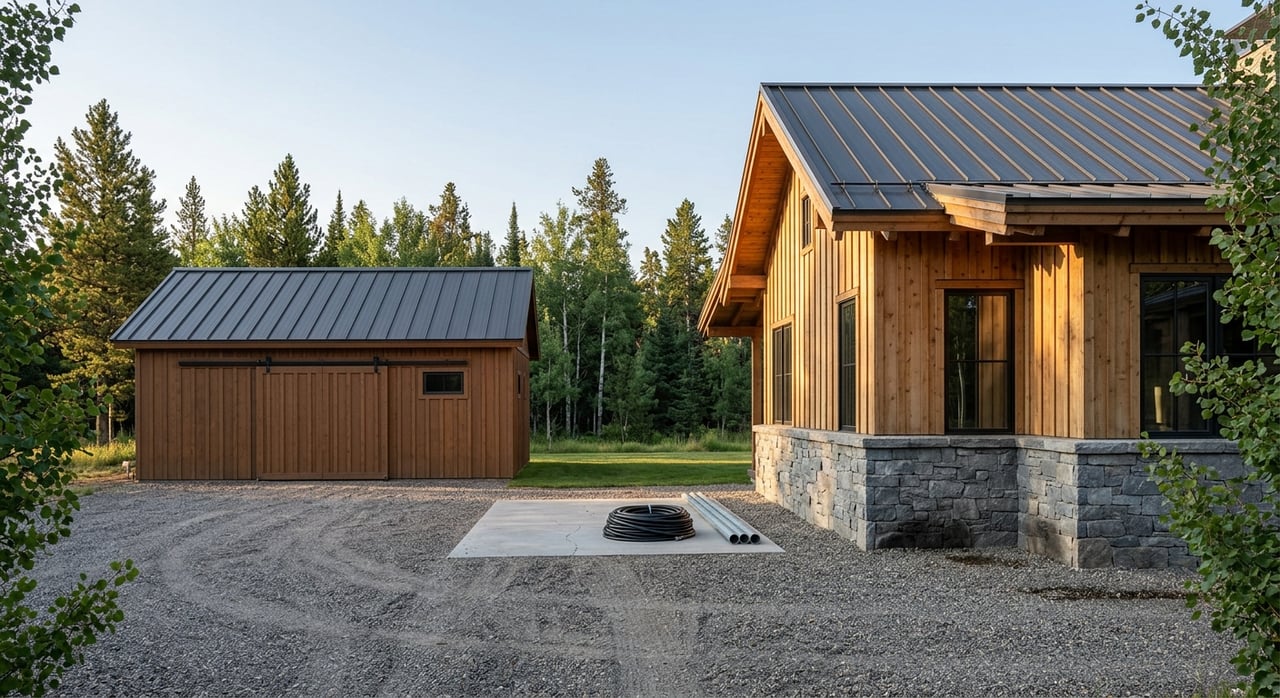
Selling acreage near Ronan is rarely as simple as tidying the house and putting up a sign. Buyers in this part of Lake County often look just as closely at water, pasture, access, fencing, and usable ground as they do at the home itself. If you want a smoother sale and stronger buyer confidence, it helps to prepare the land, records, and disclosures before your property hits the market. Let’s dive in.
Why acreage sales are different
Acreage and hobby farm properties around Ronan sit in a market shaped by agriculture. Lake County’s 2022 Census of Agriculture profile reports 1,078 farms, 596,272 acres in farms, 78,526 irrigated acres, and an average farm size of 553 acres. The same profile shows forage and hay as the largest crop category and cattle and calves as the largest livestock category.
That matters because buyers often evaluate how the property functions day to day. In Lake County, rangeland and pasture are common land uses, and the county’s own review standards reflect how important agriculture is to the area’s economy and culture. In practical terms, that means your listing needs to answer questions about usable acres, water delivery, pasture condition, and access early.
Start with the land’s real utility
When buyers tour acreage, they want to understand what the property can actually support. A pretty setting helps, but on rural ground around Ronan, buyers also want to see whether the land is workable, accessible, and easy to understand.
Start by looking at the property the way a buyer would. Walk the fencing, note pasture condition, identify corrals, barns, shops, wells, ditches, and driveway access, and make a clear list of what is included. If part of the value is tied to irrigated ground or hay production, those features should be easy to identify and explain.
Make irrigation easy to inspect
If your property has irrigation, clarity matters. Lake County’s review criteria place importance on workable irrigation delivery, adequate easements for ditch or system maintenance, and avoiding disruption to downstream users.
Before listing, gather what you know about the system and make it easy to review. Buyers will want to understand where water is delivered, what acres benefit from it, and whether there are easements or shared system responsibilities tied to the property. If the land is under the Flathead Indian Irrigation Project, Lake County says a letter of review from that agency is required in subdivision review, which makes early organization even more important.
Address weeds, fencing, and dust
Lake County’s agricultural review language specifically calls out noxious weeds, road dust, preserving irrigable soils, and fencing livestock out of boundaries. These are not side issues in this market. They are part of how rural properties are judged.
If you are preparing for sale, basic cleanup can make a real difference. Repairing broken fence sections, managing obvious weed problems, and improving access routes where practical can help buyers see the property as cared for and functional. Even small improvements can reduce questions during showings.
Verify floodplain issues early
Floodplain questions can slow a sale if they surface late. Lake County’s floodplain rules require owners or agents to tell buyers when property is in the 100-year floodplain, disclose that the property is subject to regulation, and disclose permitted uses.
That is why it is smart to confirm floodplain status before marketing begins. If part of the parcel is affected, be ready to explain what that means in plain terms and separate the facts from assumptions. The county also notes that development or substantial improvement in the floodplain cannot begin without compliance, and elevation information may be required from an engineer or surveyor.
Check septic and wastewater records
On rural property, wastewater systems are often a major due diligence item. Lake County says its on-site wastewater rules apply to most systems in the county, and all systems must be designed by a Montana-licensed professional engineer or registered sanitarian.
If you have changed structures or modified the wastewater system, review whether an alteration permit was needed. The county may also require groundwater monitoring during spring runoff in some cases. Buyers tend to feel more comfortable when sellers can produce clear records instead of relying on memory.
Gather documents before listing
Acreage buyers usually want proof, not just a verbal summary. The more complete your file is before the property goes live, the easier it is to answer questions quickly and keep momentum in the sale.
A strong seller document package may include:
- Deed copies
- Surveys or plats
- Easement information
- Legal description details
- Water right records
- Septic or wastewater permits
- Floodplain information, if applicable
- Notes on irrigation delivery and maintenance
- Records tied to any outbuildings or changes on the property
Use county and state records carefully
The Lake County Clerk and Recorder records deeds and other property documents. The county Plat Room maintains surveys, plat books, deed exhibits, historical surveys, easements, and other records filed by section, township, range, or subdivision name.
These records can help you confirm exactly what has been recorded for your property. Montana Cadastral can also help cross-check parcel information by geocode, which is the 17-digit identifier used to connect parcel maps to tax records. That can be very useful when making sure the parcel shown in marketing matches county and state records.
Confirm water rights early
Water rights are one of the biggest topics in rural property sales. In Montana, the right office depends on the parcel’s exact location, and around Ronan that distinction matters.
The Flathead Indian Reservation largely encompasses Lake County. The Flathead Reservation Water Management Board says it administers water rights on the Reservation, while the Montana Department of Natural Resources and Conservation retains jurisdiction off the Reservation.
Know which office applies
Before listing, confirm whether your parcel is on the Reservation or off the Reservation for water-right purposes. The Flathead Reservation Water Management Board handles permits for new uses of water and changes to existing uses on the Reservation, while DNRC handles off-reservation water-right questions for this region.
For off-reservation rights, DNRC says a recorded water right is required for the majority of water uses, and its ownership update forms require a recorded deed and a full chain of conveyance. If your water-right paperwork is incomplete or outdated, it is better to identify that early than to let it become a closing problem.
Review zoning and parcel status
A Ronan-area property may fall under different local systems depending on where it sits. Some parcels are inside Ronan city limits, while others are in county-administered zoning districts.
The City of Ronan has its own Planning and Zoning page and zoning map. Lake County says it has 16 zoning districts, with 13 county-administered. For marketing purposes, the safest approach is to verify current zoning and describe current, verified use rather than speculate about future uses.
Plan ahead for parcel splits
If your sale depends on creating a new parcel or reconfiguring land, timing becomes critical. Lake County says subdivision applications are reviewed locally first and then sent to DEQ for final sanitation review.
The county notes that sanitation review for a complete application cannot exceed 55 days. Even so, that is not a last-minute task. If a split is part of your sale strategy, start the process well before your target closing date.
Check agricultural classification
Tax classification can shape buyer expectations, especially on acreage marketed for agricultural use. Montana’s Department of Revenue says agricultural land classification applications are due by March 1 each year and that agricultural land is valued by use and productivity.
Before you advertise the property, it is wise to verify whether irrigated pasture, grazing land, or cropped acres are correctly classified. Buyers may ask how the land is currently classified, and clean records can help support your pricing and marketing.
Market the property with specifics
The strongest acreage listings do not rely on vague phrases. Buyers respond better when they can quickly understand how the land works and what improvements support that use.
That means your marketing should clearly describe items such as:
- Irrigated acres
- Hay ground
- Pasture or grazing areas
- Fencing and cross-fencing
- Corrals and livestock features
- Barns, shops, and outbuildings
- Wells and ditches
- Road or driveway access
- Floodplain or other material land constraints
Use accurate maps and boundary materials
Good maps reduce uncertainty. The Lake County Plat Room maintains recorded surveys and plats, and Montana Cadastral can help research parcel information by geocode.
Together, those sources can help support a clean boundary sketch, aerial handout, or parcel summary that matches the legal description. For acreage buyers, that level of clarity builds confidence and can save time during due diligence.
Consider small improvements before listing
Not every pre-sale project adds value, but targeted work can make a property easier to understand and more appealing to buyers. On acreage, that often means practical improvements rather than cosmetic ones.
Examples may include fence repair, pasture cleanup, better driveway presentation, or organizing irrigation information. NRCS says local offices in Ronan, Pablo, and Plains offer technical and financial assistance to private landowners, which may be useful context if you are considering conservation, fencing, pasture, or irrigation improvements before going to market.
What buyers will ask first
Many acreage sellers around Ronan benefit from preparing answers to a few common questions before the listing goes live. If you can answer them clearly, buyers tend to feel more comfortable moving forward.
Be ready to answer questions such as:
- Is the parcel inside Ronan city limits or under county zoning?
- Are the water rights on the Reservation or off the Reservation?
- Is the septic system permitted and compliant?
- Are there recorded surveys, plats, or easements?
- Would a future split or reconfiguration require subdivision review?
- Is any portion of the property in floodplain?
A careful start can support a stronger sale
Selling acreage or a hobby farm around Ronan takes more preparation than a typical residential listing, but that preparation can pay off. When you organize records, verify water and land-use details, and present the property based on how it truly functions, you reduce uncertainty for buyers and create a stronger foundation for negotiation.
If you are thinking about selling and want clear, detail-focused guidance, Susan Raub can help you prepare your Ronan-area acreage for market with the kind of education, protection, and steady representation these properties deserve.
FAQs
What should you prepare before selling acreage around Ronan?
- Gather deeds, surveys, plats, easement records, water-right information, septic or wastewater records, floodplain details if applicable, and clear notes about irrigation, fencing, access, and outbuildings.
How do water rights work for Ronan-area property sales?
- The correct process depends on the parcel’s exact location. The Flathead Reservation Water Management Board handles water-right matters on the Reservation, while DNRC retains jurisdiction off the Reservation.
Why does septic documentation matter for Lake County acreage?
- Lake County says its on-site wastewater rules apply to most systems in the county, and buyers often want proof that systems and any alterations were properly permitted.
Can you advertise future development potential for acreage near Ronan?
- The safest approach is to verify zoning and permitted use first, then market the property based on current, confirmed facts rather than unverified future possibilities.
What if your Ronan-area land is in a floodplain?
- Lake County requires sellers or agents to disclose when property is in the 100-year floodplain, state that it is subject to regulation, and disclose permitted uses.
Should you start a parcel split before listing acreage in Lake County?
- Yes, if your sale depends on a split or reconfiguration, it is wise to start early because subdivision and sanitation review can take time.